
IPTV, or Internet Protocol Television, is a digital TV service delivered over the internet, offering flexibility and a wide range of channels. As traditional broadcasting methods evolve, many UK viewers are turning to IPTV for its convenience and variety. This article outlines what IPTV is, how it operates, and the key factors to consider when choosing a service. Whether you're tired of conventional TV packages or exploring new entertainment options, understanding IPTV can enhance your viewing experience.
With IPTV, viewers in the UK can access a plethora of channels and on-demand content through internet connections. This means you can watch your favourite shows and sports events live or catch up at your convenience. However, the potential of IPTV goes beyond just accessing a wider range of content; it offers personalisation and the ability to watch on various devices. Here, we discuss how IPTV works, what to look for in a provider, and some red flags to avoid, ensuring you get the best service for your needs.
Key takeaways
- IPTV delivers television content over the internet, offering live and on-demand services.
- Selecting a reputable provider is crucial for reliable streaming and channel availability.
- Look for services that offer a free trial to test the quality and variety of content.
- Consider device compatibility and user interface when choosing an IPTV service.
- Be cautious of providers that lack transparency or have unclear customer support policies.
What is IPTV?
IPTV, or Internet Protocol Television, allows users to stream television content via the internet, rather than through traditional satellite or cable formats. It utilises a broadband connection to deliver video content, making it accessible on various devices such as smart TVs, computers, tablets, and smartphones. This technology divides the video content into data packets, transmitting them over the internet to your device.
The main advantage of IPTV is its flexibility. Unlike traditional TV services that require a fixed schedule, IPTV provides on-demand content, allowing viewers to watch programmes at their convenience. Additionally, IPTV often offers a richer selection of international channels and niche content, appealing to a more diverse audience. The service can be particularly appealing to those who wish to tailor their viewing experience to specific interests.
Moreover, IPTV is not confined to live broadcasting. It encompasses different types of content delivery such as video on demand (VOD), where users select and watch video content whenever they choose, and time-shifted media, which allows users to watch previously broadcasted programmes at a later time. These features contribute to IPTV's growing popularity as it caters to the modern viewer’s demand for personalised and flexible viewing options.
How does IPTV work?
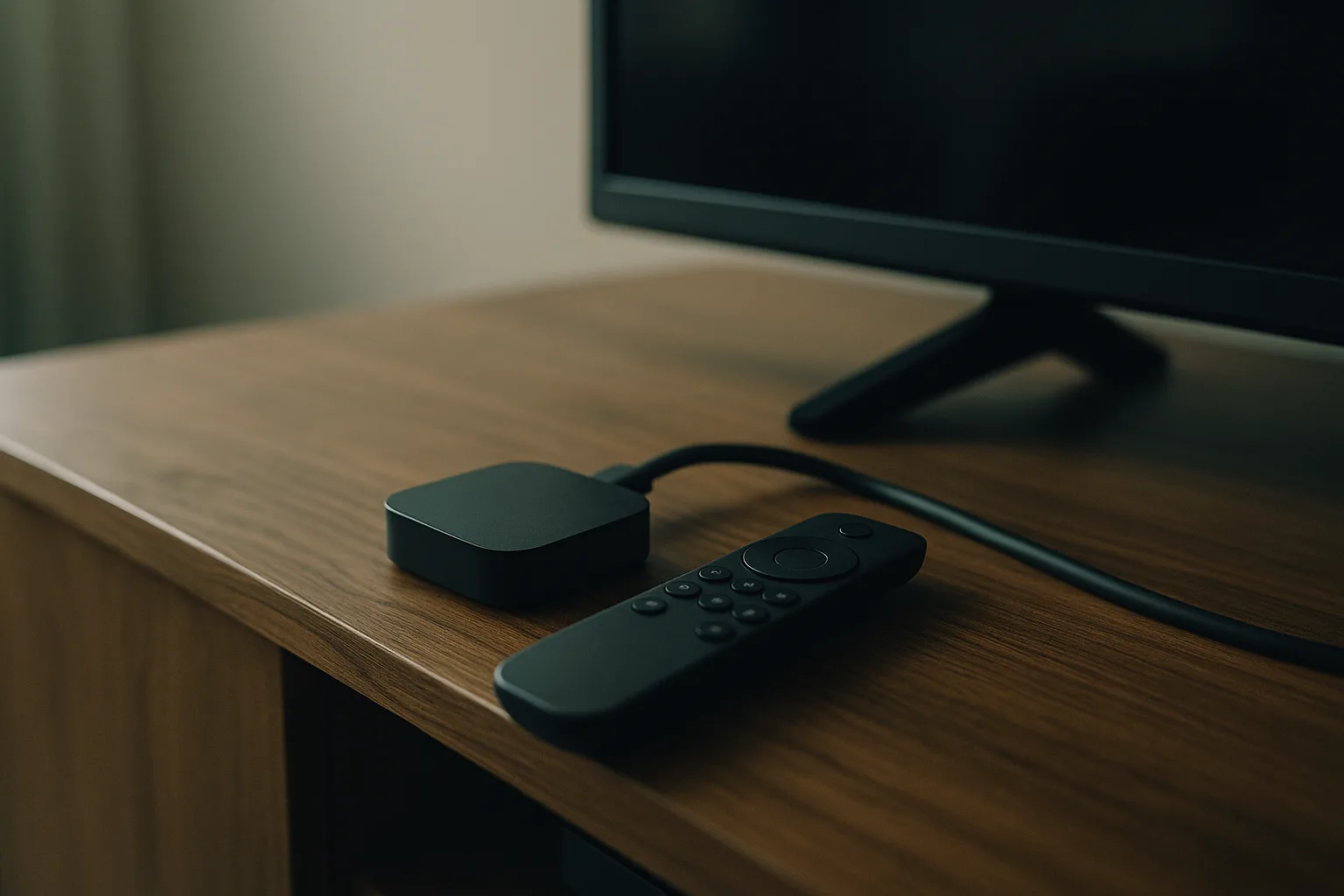
IPTV functions by using a packet-switched network like the internet to send television programmes to viewers. It breaks down video data into smaller, manageable packets, which are then sent over the internet to your device where they are reassembled into the original programme. This is different from traditional broadcasting which sends signals in a continuous stream.
To access IPTV, you typically need a device that can connect to the internet and support streaming. This could be a smart TV, a smartphone, a tablet, a computer, or a dedicated IPTV box. Most services also require a subscription, like Primo's UK IPTV service, which includes access to various channels and on-demand content. Many providers offer apps that can be installed on different devices to facilitate easy access to their content.
Furthermore, IPTV relies on a robust internet connection to ensure smooth streaming without buffering or interruptions. A minimum broadband speed is usually recommended by providers to maintain quality and consistency in the service. Additionally, the use of adaptive bitrate streaming technology helps adjust the quality of the stream according to the user's internet speed, ensuring optimal viewing experiences even with fluctuating bandwidth.
Choosing the right IPTV provider
When selecting an IPTV provider, there are several factors to consider to ensure you receive a quality service. Firstly, check if the provider offers a free trial. This allows you to test the service's reliability, channel variety, and streaming quality before committing to a subscription. Primo, for instance, offers a free trial for new users to explore their services.
Secondly, assess the channel line-up and on-demand options. Does the provider offer the content you're interested in? Are there regional or international channels available? Check user reviews and customer feedback for insights into the provider’s reputation and service quality. Additionally, consider the pricing structure to ensure it aligns with your budget and needs.
Another critical aspect is customer support. A reliable IPTV provider should offer robust customer service to address any issues promptly. Look for providers with multiple support channels, such as live chat, email, and phone support. Also, verify the provider’s refund policy and terms of service to avoid any surprises. Understanding these factors will help you choose a provider that offers not only a wide range of content but also the necessary support and flexibility to enhance your IPTV experience.
Device compatibility and user interface
The flexibility of IPTV lies in its compatibility with multiple devices. When choosing a service, ensure it supports the devices you intend to use. Some providers offer apps compatible with smart TVs, gaming consoles, or streaming devices, while others might require a dedicated IPTV box.
The user interface is another crucial aspect. A well-designed interface makes navigation intuitive and enhances the overall user experience. Look for services that offer a straightforward menu, easy channel switching, and a responsive design. This is particularly important if you plan to use the service on various devices, as a consistent and user-friendly interface can make a significant difference.
Additionally, consider the ease of installation and setup. Some IPTV services require minimal setup, allowing you to start streaming quickly, while others may involve more complex configurations. User reviews can be a valuable resource for gauging how intuitive and user-friendly a service’s interface is. A seamless and engaging user experience is essential to fully enjoy the benefits of IPTV, making this an important factor in your decision-making process.
Red flags to avoid
While exploring IPTV options, be wary of certain red flags that may indicate a subpar service. One major concern is the legality of the content. Ensure the provider is legitimate and licensed to offer the channels they advertise. Unlicensed providers may offer low prices but can pose legal risks and service interruptions.
Another red flag is poor customer support. Reliable providers should offer accessible and responsive support to address any issues you may encounter. Look for services with clear contact information and favourable customer feedback regarding their support. Also, be cautious of hidden fees or unclear terms and conditions, which may lead to unexpected charges or limitations on your subscription.
Additionally, be wary of providers that promise unrealistic deals or have scant information about their service offerings. Transparency is key, and reputable providers will clearly outline what is included in their packages, along with any potential limitations. Avoid services that lack detailed information on their website or have numerous complaints about service quality and reliability. By recognising these red flags, you can avoid potential pitfalls and select a trustworthy IPTV provider.
Benefits of IPTV
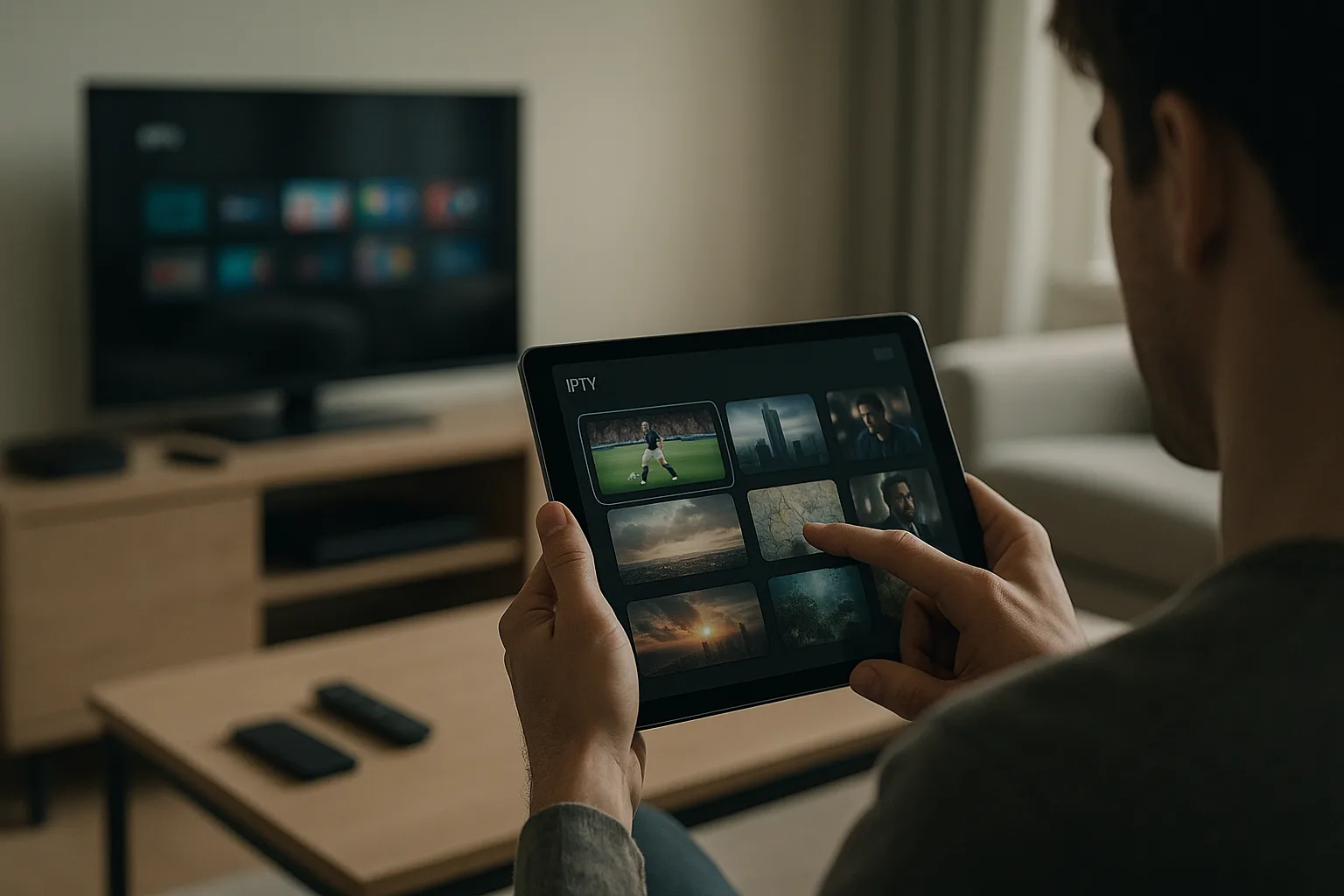
IPTV offers several benefits that make it an attractive option for modern viewers. One of the primary advantages is the ability to watch content on demand. This flexibility allows you to schedule your viewing around your lifestyle rather than adhering to a fixed broadcast schedule. Additionally, IPTV services often provide a more extensive range of channels, including international and niche content that might not be available through traditional providers.
The convenience of accessing IPTV through multiple devices is another significant benefit. Whether you're at home or on the go, you can enjoy your favourite shows and movies on a smart TV, smartphone, or tablet. This versatility makes IPTV an ideal choice for those who value accessibility and variety in their entertainment choices.
Moreover, IPTV can offer high-quality streaming with features like HD and 4K resolution, enhancing the viewing experience. Many services also include features such as pause, rewind, and fast-forward live TV, adding to the convenience. The ability to customise your viewing experience, combined with the potential for cost savings compared to traditional cable packages, makes IPTV a compelling choice for savvy viewers seeking both quality and value.
Frequently asked questions
Is IPTV legal in the UK?
Yes, IPTV is legal in the UK as long as the service provider has the necessary licences to broadcast the content. It's crucial to verify that your chosen provider is legitimate and authorised to offer the channels and programmes they advertise. Using unlicensed services can lead to legal issues.
Do I need a special device to use IPTV?
IPTV can be accessed on a variety of devices, including smart TVs, computers, tablets, and smartphones. Some services may require a dedicated IPTV box, but many offer apps that can be installed on existing devices. Check compatibility with your devices before subscribing.
How do I set up IPTV?
Setting up IPTV typically involves subscribing to a service, installing the provider's app or software on your device, and logging in with your account details. Follow the provider's instructions for installation and configuration. If a dedicated device is required, connect it to your TV and internet.
What should I do if my IPTV service is buffering?
If you experience buffering, check your internet connection speed and stability. Ensure that your device is not overloaded with other applications running in the background. Sometimes, restarting your device or modem can resolve connectivity issues. If problems persist, contact your IPTV provider for assistance.
Can I use IPTV outside the UK?
While some IPTV services can be accessed internationally, content availability may vary due to licensing restrictions. Check with your provider about international access and any additional costs or limitations that may apply when using the service abroad.
Understanding IPTV and how to choose the right provider can greatly enhance your viewing experience. By considering the factors outlined above, you can make an informed decision and enjoy a flexible and varied entertainment service.
Reviewed by the Primo UK editorial team.
