
IPTV servers work by streaming television content over the internet rather than through traditional terrestrial, satellite, or cable formats. This digital approach offers flexibility and a wide array of viewing options. However, misconceptions about IPTV servers abound. What follows is a myth-busting exploration to set the record straight.
As IPTV continues to reshape how we consume media, understanding the technology behind it becomes essential. Many people have questions about how IPTV servers work, and this article aims to shed light on the common myths and reveal the reality of these powerful systems. With services like Primo offering IPTV options, it’s crucial to comprehend the technical aspects that make these services possible.
Key takeaways
- IPTV servers deliver content over the internet, offering an alternative to traditional broadcasting.
- They require a reliable internet connection and robust server infrastructure to function effectively.
- Contrary to myths, IPTV servers are not inherently illegal but depend on the content source.
- Understanding server technology helps in making informed decisions about IPTV services like those offered by Primo.
Myth: IPTV Servers Are Just Like Any Other Streaming Service
Many people mistakenly believe that IPTV servers operate the same way as popular streaming services like Netflix or Hulu. While they all deliver content over the internet, the underlying technology and approach differ significantly. IPTV servers stream live television content, which means they must handle real-time data transfer and synchronisation.
Unlike on-demand streaming services, IPTV requires constant data flow to ensure seamless content delivery. This means IPTV servers must be optimised for continuous streaming without buffering interruptions. Robust server architecture and network infrastructure are essential for maintaining the quality of service that customers expect from an IPTV provider.
Furthermore, IPTV services often incorporate features like live TV, time-shifted media, and video on demand (VOD). These require advanced server capabilities to manage different types of content simultaneously. IPTV servers also need to handle complex tasks such as real-time encoding and decoding of video streams, ensuring that the content is delivered in the correct format and resolution for the viewer's device.
Reality: IPTV Servers Need Specialised Configuration
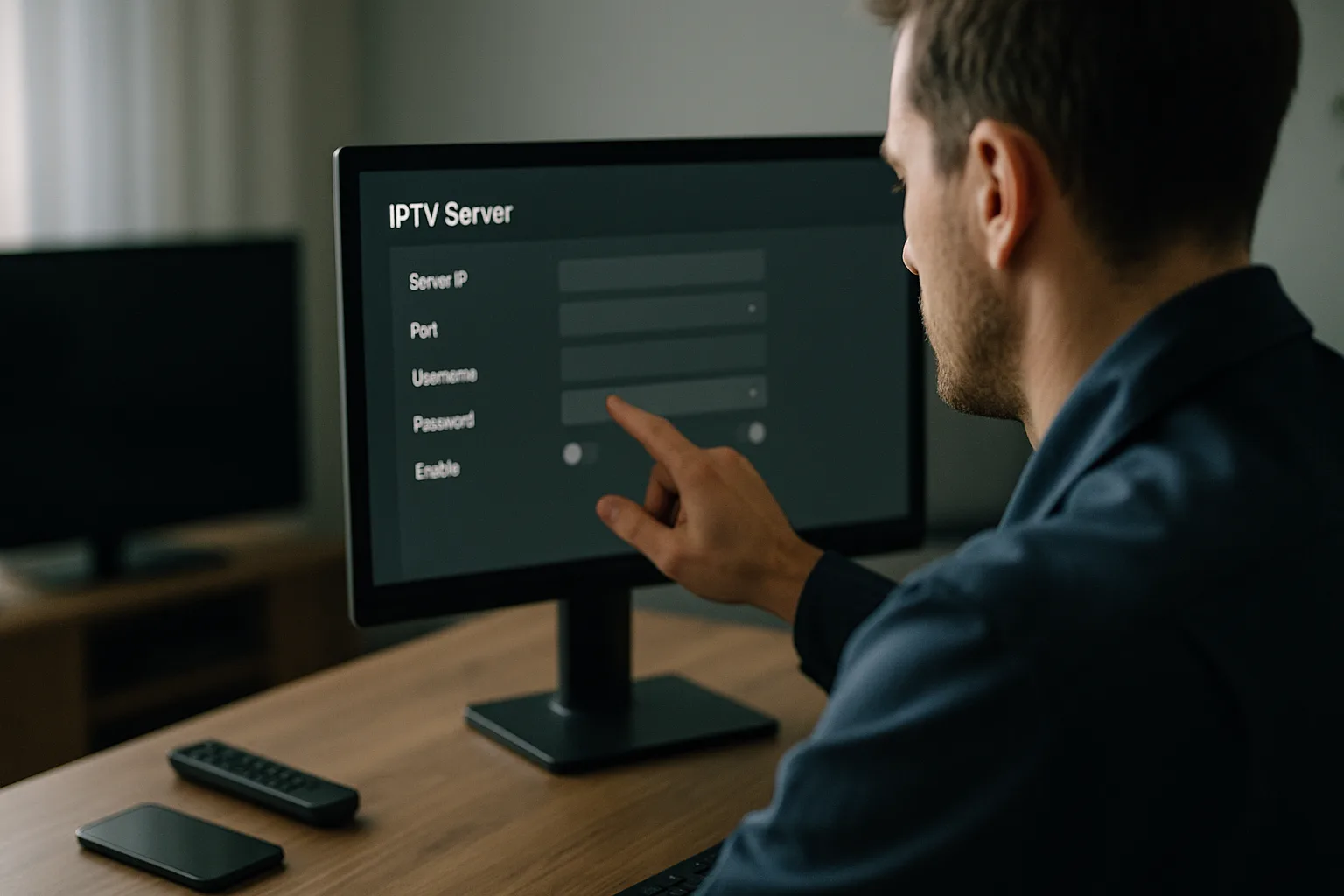
Operating an IPTV server isn't as straightforward as setting up a typical web server. It requires specialised configuration to handle the unique demands of streaming live television content. This includes managing multicast and unicast streams, encoding video data into various formats, and ensuring compatibility with a wide range of devices.
Moreover, IPTV servers must be configured to balance loads across multiple server units to prevent any single point of failure. This ensures that even during peak viewing times, the system remains stable and responsive. Network engineers often play a crucial role in optimising these configurations to enhance performance and reliability.
In addition to load balancing, IPTV servers must also be equipped with failover mechanisms and redundancy to maintain service continuity. This means having backup servers and systems in place that can take over in the event of a hardware failure or network issue. Advanced monitoring tools are used to track server performance and detect potential issues before they affect the user experience.
Myth: IPTV Servers Are Always Used Illegally
Another common misconception is that IPTV servers are primarily used for illegal streaming activities. While there are indeed illicit uses of IPTV technology, legitimate providers operate within the bounds of copyright law. Companies like Primo offer legal IPTV services, ensuring that content distribution complies with all necessary regulations.
It's important to distinguish between the technology itself and how it is used. IPTV servers are simply tools for delivering media content, much like any other broadcasting equipment. The legality depends on the content being streamed and whether proper licensing agreements are in place.
Legal IPTV services invest in securing broadcasting rights for the content they offer, which often involves complex negotiations and agreements with content creators and distributors. By doing so, they provide a legitimate alternative to traditional broadcasting methods, offering consumers access to a wide range of channels and programming choices without infringing on copyright laws.
Reality: Legal IPTV Services Are Available
Legitimate IPTV providers, such as Primo, offer a wide range of legal content through subscription models. These services are no different from traditional cable or satellite offerings in terms of legality. Providers secure the rights to broadcast channels, ensuring users receive high-quality, legally-sourced content.
By choosing reputable IPTV services, consumers can enjoy a vast selection of channels and on-demand options without the risk of infringing copyright laws. It's always advisable to research and select providers that are transparent about their licensing and content sources.
In addition to legal compliance, legitimate IPTV services often offer superior quality and reliability compared to their illegal counterparts. They invest in the necessary infrastructure to deliver high-definition streams and employ customer support teams to assist with any technical issues or queries, ensuring a positive user experience.
Myth: IPTV Servers Don’t Require High-Speed Internet
Some believe that any internet connection will suffice for IPTV streaming. However, the reality is that IPTV servers require a high-speed, stable internet connection to function effectively. Without sufficient bandwidth, users may experience buffering, lag, or degraded video quality.
For optimal performance, IPTV services typically recommend a minimum internet speed. This ensures that streams are delivered smoothly and without interruption, providing a viewing experience comparable to traditional television formats.
Moreover, the quality of the internet connection can significantly impact the resolution and clarity of the streamed content. High-definition and 4K streaming require even higher bandwidth, making a fast and stable connection essential for those seeking the best possible viewing experience. Additionally, the use of wired connections, such as Ethernet, can further enhance stability compared to wireless connections.
Reality: Network Infrastructure Is Crucial
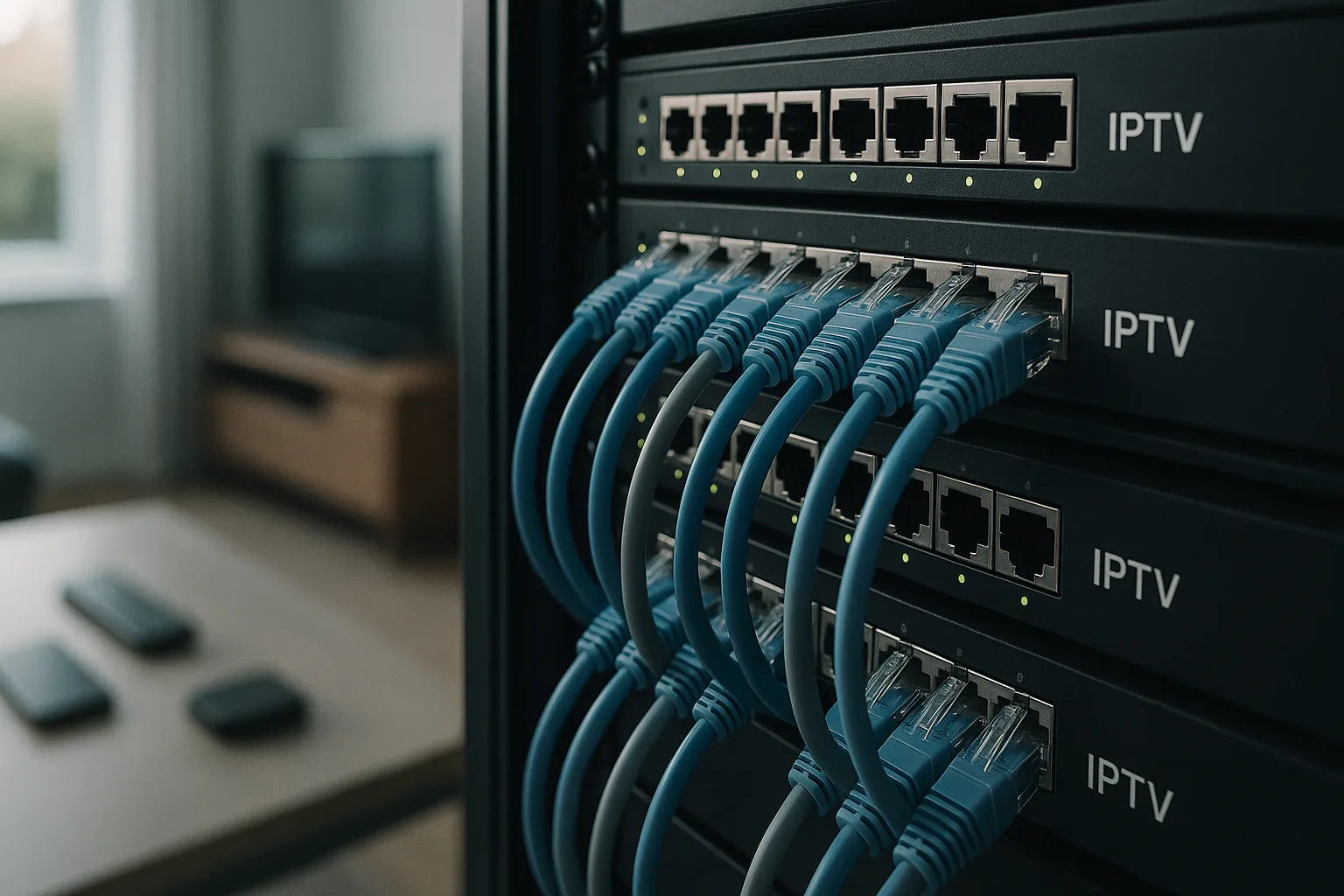
The success of an IPTV service heavily relies on its network infrastructure. High-speed internet is just one part of the equation. The servers themselves must be connected to robust network equipment capable of handling large volumes of data traffic.
Providers often invest in state-of-the-art data centres and networking technology to support their IPTV services. This infrastructure allows for efficient content delivery to thousands of users simultaneously, maintaining high quality and stability.
Moreover, the implementation of content delivery networks (CDNs) is a common strategy among IPTV providers to enhance performance. CDNs distribute the content across various geographical locations, reducing latency and improving load times for users regardless of their location. This network architecture is critical for delivering consistent and reliable streaming experiences.
Frequently asked questions
What is the primary function of an IPTV server?
An IPTV server's primary function is to deliver television content over the internet. This involves streaming live TV channels and on-demand videos to users' devices. The server encodes, stores, and transmits the data, ensuring that it reaches viewers in real-time with minimal latency.
How do IPTV servers handle different streaming formats?
IPTV servers manage various streaming formats by encoding video data into different codecs and resolutions. This ensures compatibility with a wide range of devices, from smartphones to smart TVs. The server dynamically adjusts the stream quality based on the viewer's internet speed and device capability.
Are all IPTV servers inherently illegal?
No, not all IPTV servers are illegal. The legality of an IPTV server depends on the content it streams. Legitimate IPTV providers like Primo acquire broadcasting rights and operate within legal frameworks, offering users access to licensed content.
What role does bandwidth play in IPTV streaming?
Bandwidth is crucial for IPTV streaming as it determines the quality and stability of the video stream. Higher bandwidth allows for higher resolution and smoother playback, reducing buffering and ensuring a seamless viewing experience. A stable internet connection is essential for optimal IPTV performance.
How does IPTV differ from traditional TV broadcasting?
IPTV differs from traditional TV broadcasting by delivering content over the internet instead of through terrestrial, satellite, or cable signals. This method allows for greater flexibility in content selection, on-demand viewing, and access across various devices, enhancing the viewer's overall experience.
IPTV servers are an integral part of the contemporary television landscape, offering a unique blend of live and on-demand content over the internet. By separating myths from reality, viewers can make informed choices about IPTV services. Whether you're considering a free trial or exploring pricing options, understanding how IPTV servers work will enhance your viewing experience.
Reviewed by the Primo UK editorial team.
